How to Configure SMTP in WordPress
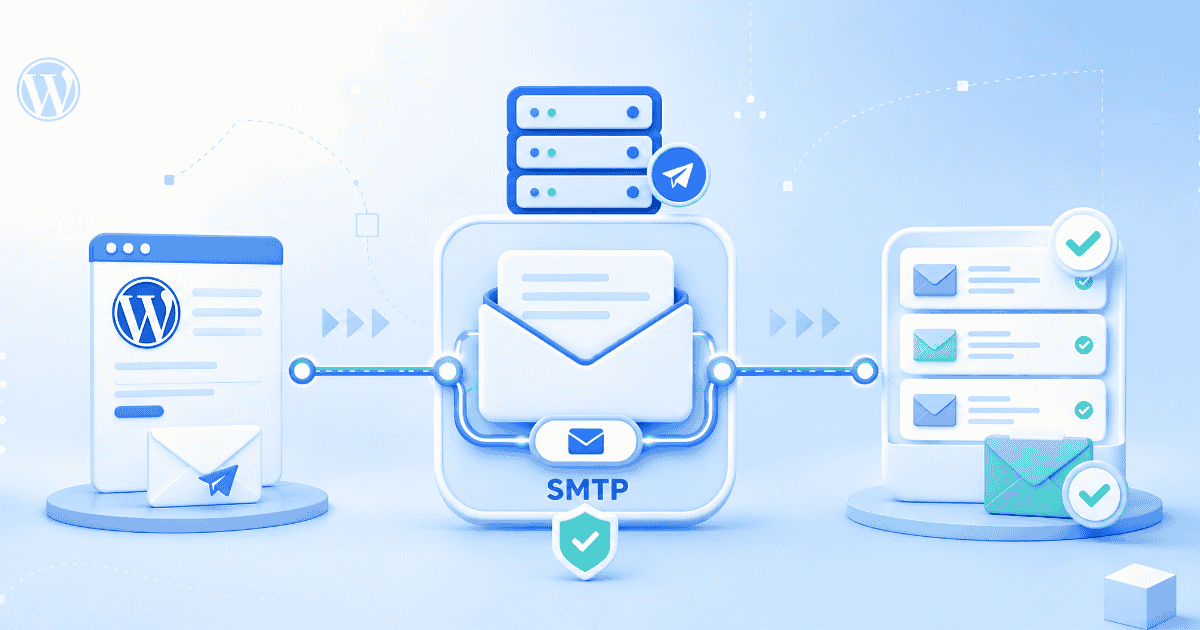
WordPress uses PHP mail by default to send emails. Most shared hosting servers are not properly configured for it, which means form submission notifications, order confirmations, password resets, and other transactional emails frequently end up in spam folders or go undelivered without any indication that something went wrong.
SMTP fixes this by routing WordPress emails through an authenticated mail server instead of relying on the hosting server’s default PHP configuration. This guide covers what SMTP is, how to set it up using a plugin, which plugins and service providers to choose from, and how to track emails once delivery is working correctly.
Before You Start
Admin access to your WordPress dashboard
At least one active contact form or plugin sending email notifications
An email address or service provider you plan to use for SMTP
The SMTP credentials from your email provider
What Is SMTP and Why Does WordPress Need It?
SMTP stands for Simple Mail Transfer Protocol. It is the standard method for sending emails over the internet. When you configure SMTP on your WordPress site, outgoing emails are sent through an authenticated connection to a dedicated mail server rather than through your hosting server’s PHP mail function.
WordPress needs SMTP because the default PHP mail function has no authentication mechanism. Email clients and spam filters have no way to verify that an email sent via PHP mail actually came from the domain it claims to originate from. This causes many WordPress emails to fail spam checks and never reach their intended recipients.
SMTP adds authentication to every outgoing email, which tells receiving mail servers that the message is legitimate. This dramatically improves deliverability for all emails your WordPress site sends, including form submission notifications, which are particularly vulnerable to delivery failures on PHP mail.
Important: SMTP improves email deliverability, but it does not recover submissions that were lost before SMTP was configured. If your forms rely on email-only delivery, any submissions sent before SMTP was active may be permanently unrecoverable.
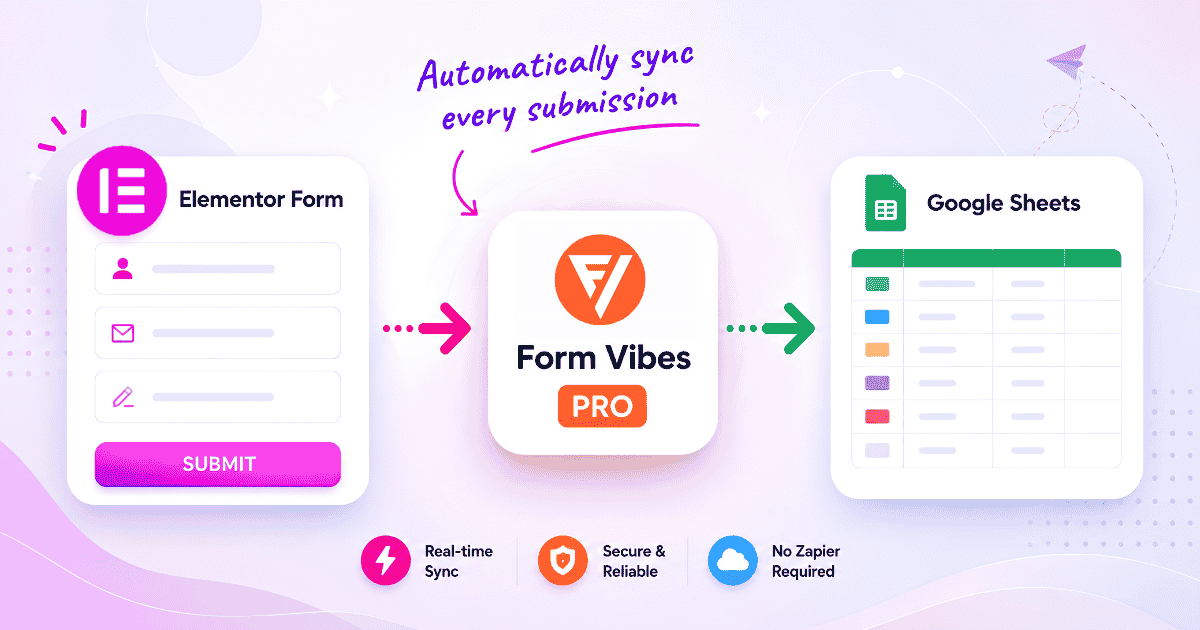
SMTP fixes email delivery, but if a notification fails before you had it configured, that submission is already gone. Form Vibes captures every form submission to your database before the email even sends, so failed notifications never mean lost leads.
How Do You Set Up SMTP in WordPress Using a Plugin?
The most practical way to configure SMTP on a WordPress site is through a dedicated SMTP plugin. The setup below uses Post SMTP Mail, one of the most widely used SMTP plugins available.
1
Install and Activate Post SMTP Mail
Go to Plugins > Add New in your WordPress admin, search for “Post SMTP“, install the plugin, and activate it. Once activated, navigate to Post SMTP from the WordPress settings menu.
Click Start the Wizard to begin the guided configuration process.
2
Configure Password Authentication (Manual)
Choose to configure manually, then set Transport to SMTP. Enter the SMTP server hostname in the Outgoing Mail Server Hostname field.
Enter the SMTP port in the Outgoing Mail Server Port field. Select the appropriate Security option. Select the Authentication type.
If Authentication is set to None, enter your username and password.
Click the Message option and enter your email address in the Envelope From Address field, this should match your logged-in email address. Enter your email address in the Message From Address field.
Click Save Changes and send yourself a test email to confirm delivery.
3
Configure OAuth 2.0 Authentication (Manual)
Choose to configure manually, then set Transport to SMTP. Enter the SMTP server hostname and port. Select the Security option.
Set Authentication to OAuth 2.0. Post SMTP provides a link to your email service provider’s Client ID maintenance page.
Create a Client ID for your WordPress site and copy the generated Client ID and Client Secret into the plugin settings.
Click the Message option and enter your email address in the Envelope From Address field. Enter your email address in the Message From Address field.
Click Save Changes. Click the Request OAuth2 Permission link and follow the instructions. Send yourself a test email.
Even with SMTP configured correctly, some form plugins don’t save submissions to the database. See which ones are at risk.
Which SMTP Plugins Work Best for WordPress?
Several SMTP plugins are available for WordPress. The right choice depends on your technical comfort level, which email service providers you plan to use, and whether you need advanced features like email logs or fallback delivery.
Post SMTP Mail
Post SMTP is a next-generation SMTP plugin with advanced configuration options. It uses OAuth2 or API connections to link your site to your mail server, adding authentication that prevents emails from landing in spam. Unlike many other SMTP plugins, it does not enable manual SMTP server configuration by default for security purposes. The free version supports Gmail, Google Workspace, Hotmail, Yahoo, Mailchimp transactional email, Mailgun, SendGrid, and Brevo. Pro features include Amazon SES and Office 365 support. Post SMTP logs all outgoing emails and supports fallback SMTP service configuration in case primary delivery fails.
WP Mail SMTP
WP Mail SMTP is one of the most popular free SMTP plugins for WordPress. It works by reconfiguring the wp_mail() function to use proper SMTP credentials or a built-in provider API. The free version supports SendLayer, SMTP.com, Brevo, Mailgun, SendGrid, Postmark, SparkPost, and Gmail. Pro features include Microsoft SMTP, Zoho Mail, and Amazon SES. WP Mail SMTP includes email logs, delivery controls, and a white glove setup option.
Brevo
Brevo is a dedicated plugin supporting integration with the Brevo email platform only. It is a straightforward choice for sites already using Brevo as their email marketing platform. The wp_mail() function automatically routes through Brevo’s SMTP when the plugin is active. It is not suitable for sites that need integration with other email service providers.
Fluent SMTP
Fluent SMTP connects WordPress mail to any email service provider and routes emails automatically based on the From address. It supports Amazon SES, Gmail, Google Workspace, Outlook, SendGrid, Mailgun, Brevo, PepiPost, SparkPost, and Zoho in the free version. Fluent SMTP includes email logs and reporting to track outgoing mail volume and diagnose delivery issues.
Gmail SMTP
Gmail SMTP connects WordPress email specifically to Gmail using OAuth 2.0 for authorisation. It routes all outgoing WordPress emails through Gmail’s SMTP server, bypassing shared hosting mail limitations and daily outgoing limits. This plugin is purpose-built for Gmail only — it is not suitable for sites using other mail providers.
Easy WP SMTP
Easy WP SMTP is a straightforward SMTP plugin that connects to any SMTP server. It configures all outgoing WordPress emails via the SMTP server you specify and includes test email tools to verify that emails are successfully delivered after configuration.
Tips: If you are unsure which plugin to choose, start with Post SMTP Mail or WP Mail SMTP. Both have large active install bases, regular updates, and strong documentation.
How Do You Track Emails Sent from WordPress?
Configuring SMTP improves the reliability of email delivery. The next step for any site that depends on email notifications, including form submission alerts is knowing whether emails are actually being sent and delivered.
WP Mail Log by WPVibes is a free WordPress plugin that logs every outgoing email from your site. Every email sent through WordPress is recorded with its recipient address, subject line, timestamp, and delivery status. If a form submission notification fails to arrive, WP Mail Log shows exactly what was sent and when, making it straightforward to diagnose whether the problem is with SMTP configuration, a specific email address, or the form plugin itself.
WP Mail Log is available free from the WordPress plugin directory and works alongside any SMTP plugin and any form plugin.
Notes: WP Mail Log records whether WordPress attempted to send an email and whether it was accepted by the SMTP server.
Conclusion
WordPress email reliability depends entirely on how outgoing mail is configured. The default PHP mail setup is unreliable on most hosting environments, SMTP replaces it with an authenticated connection that dramatically reduces spam filtering and delivery failures.
Choose an SMTP plugin that matches your technical requirements, pair it with a service provider suited to your email volume, and use WP Mail Log to confirm that every email your site sends is being delivered as expected.
Need help preventing form submission spam before it reaches your inbox? See the guide on how to stop form spam in WordPress.

Don’t Rely Only on Email Notifications
SMTP improves email sending, while Form Vibes gives you a centralized dashboard to capture and manage submissions
more safely.
Frequently Asked Questions
Common questions about configure SMTP in WordPress.
Does WordPress include SMTP by default?
WordPress supports SMTP but does not configure it automatically. The default setup uses PHP mail, which is unreliable on most shared hosting environments. You need to configure SMTP yourself using a plugin that connects WordPress to an authenticated mail server or service provider.
Why should I set up SMTP on my WordPress site?
WordPress emails sent via the default PHP mail function are not properly authenticated, which means they frequently end up in spam folders. Without proper authentication, outgoing emails are also more vulnerable to spoofing attacks. SMTP adds authentication to every outgoing email, improving both deliverability and security.
Can I use my personal email account for SMTP on my WordPress site?
You can, but it is not recommended. Personal email accounts have daily sending limits, lack professional credibility, and may not support the configuration options required by some SMTP plugins. A professional email address matching your domain improves credibility and avoids deliverability issues caused by personal account restrictions.
How does SMTP improve email deliverability?
SMTP verifies the identity of the sending server using authentication protocols. This tells receiving mail servers that the email is legitimate and originates from the claimed domain, reducing the likelihood of the message being flagged as spam and improving the chance it reaches the recipient’s inbox.
Are there security considerations when using SMTP in WordPress?
Yes. Use strong passwords for your SMTP account, enable encryption (TLS or SSL) in your SMTP plugin settings, and never store SMTP credentials in an insecure location. Keep your SMTP plugin updated to ensure security patches are applied. For OAuth 2.0 authentication, revoke access tokens immediately if your WordPress site is ever compromised.
What should I do if my SMTP configuration is not working?
Start by verifying that all settings in your SMTP plugin match exactly what your service provider requires – hostname, port, security type, and authentication method. Send a test email from the plugin’s settings page and check the error message if it fails. If the test email is not arriving, check your spam folder, verify the recipient address, and contact your SMTP service provider’s support team with the error details.
Can I track emails sent from my WordPress site?
Yes. WP Mail Log by WPVibes is a free WordPress plugin that logs every outgoing email from your site. It records the recipient, subject, timestamp, and delivery status for every message sent through WordPress. This is useful for diagnosing delivery failures, auditing outgoing mail, and confirming that form submission notifications are being sent correctly.




Leave a Reply